

Should You Paint or Stain a Deck?
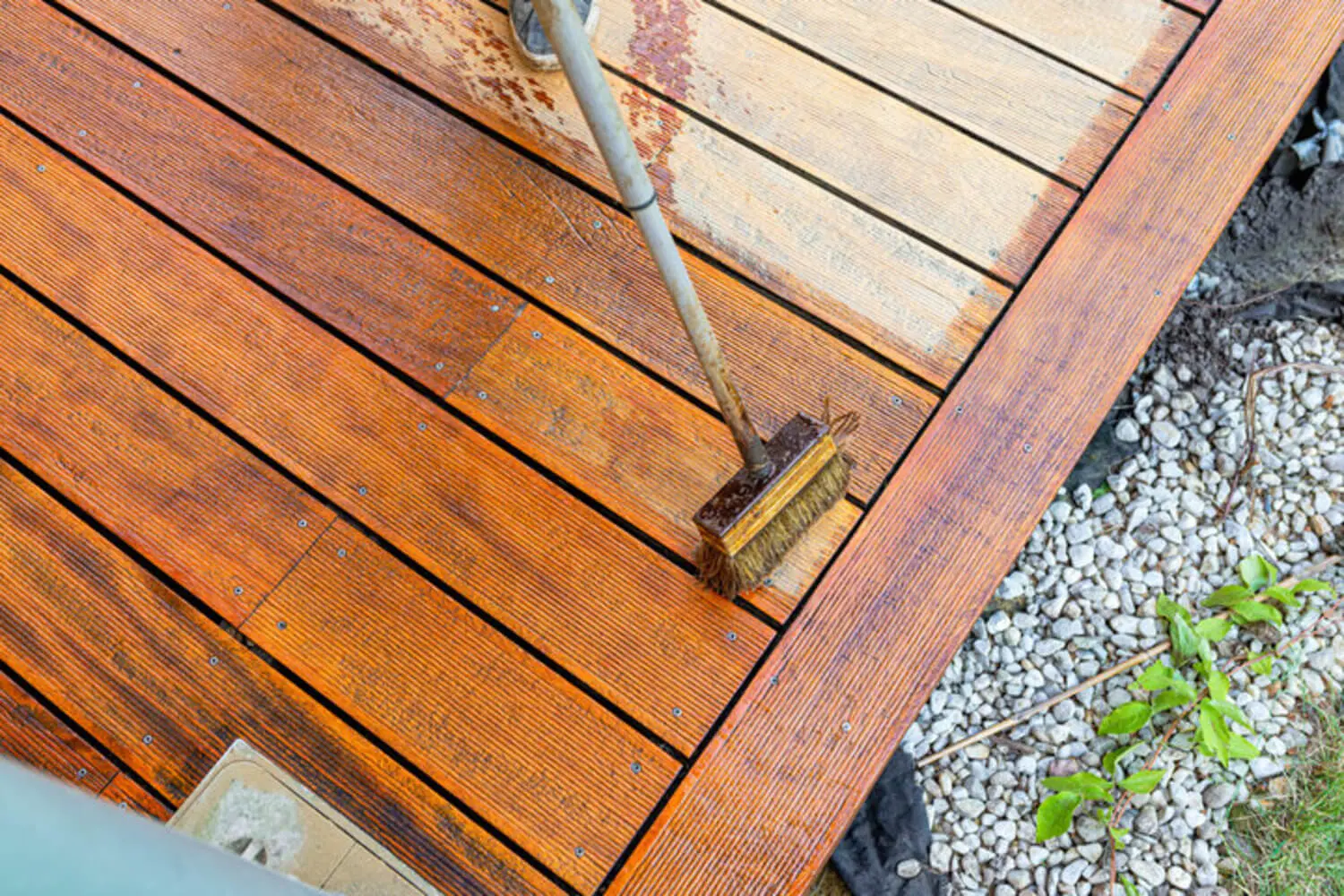
Should you paint or stain a deck? Most homeowners ask this when a deck turns gray, fades, or starts to peel, and the advice they find online often contradicts itself. Much of it comes from rainy or cold climates. That advice misses how sun, salt air, and morning moisture work on South Bay decks.
This guide compares paint and stain side by side. You will see how each finish looks, wears, and ages on a deck. You will also learn how local conditions change the answer, and why your deck’s current condition should drive the choice. The right pick depends on more than color.
Should You Paint or Stain a Deck? The Short Answer
Stain suits most decks. It shows the wood grain, wears away gradually, and takes less effort to refresh. Paint suits decks that need flaws covered or a bold color. Solid stain sits between the two and covers more than transparent stains without the full film of paint.
The two finishes behave differently on wood. Stain soaks in and fades over time. Paint forms a film on top that either holds or fails.
Neither option wins every time. Your deck’s condition, along with its exposure to sun and moisture, usually decides it. The wrong match shows up as peeling film or fast fading, and the sections below explain how to avoid both.
What’s the Difference Between Painting and Staining a Deck?
Paint is an opaque film that sits on top of the wood. Stain penetrates the wood and ranges from clear to semi-transparent to solid. Here is how the main options differ:
- Paint: an opaque film on the surface with a nearly unlimited color range
- Clear or semi-transparent stain: soaks in and shows the grain
- Solid stain: soaks in and covers the grain with a thinner film than paint
That single difference drives everything else. It controls how each finish wears, how it fails, and how you repair it.
Solid stain is not paint with a new label. It still soaks into the wood, but it covers the grain much like paint does. That makes it a useful middle option for weathered decks that need more coverage than a transparent stain offers.
How Do Paint and Stain Compare on a Deck?
A fair comparison uses the same criteria for both finishes. The three below cover how each one looks, how it holds up under feet and weather, and what upkeep it demands. Each criterion points toward a different winner, so weigh the ones that matter most to you.
Appearance and Color
Stain shows the grain and offers a limited color range. Paint gives a uniform, opaque finish in nearly any color and hides cracks and discoloration.
- Stain: visible grain, natural tones, and a handful of color choices
- Paint: solid color, flaw coverage, and easy matching to house trim
Paint can still look natural in earthy tones. A semi-transparent stain will not hide old damage, so a patchy deck can look worse stained than painted. A homeowner who wants visible grain on a worn deck may feel disappointed. One who wants to match the house trim may find stain colors limiting.
Sunlight also changes the look over time. Stain fades toward gray as it wears, while paint holds its color until the film starts to fail. Either way, the look you pick on day one is not the look you will have in a few years, so plan for how each finish ages.
Durability on a Walked-On Surface
Paint films tend to crack, chip, and peel on a deck. Stain wears away gradually instead. A deck takes foot traffic and direct sun, and the boards expand and contract all day. A rigid film has to flex with all of that, and it often cannot.
A horizontal surface also holds water. Moisture slips under the paint and pushes it loose. This is the same moisture problem that makes exterior paint peel and fail on walls, only with more standing water and more wear.
You may hear that paint lasts longer than stain. That can hold true when the film survives. On decks, the film tends to break down first at stairs, board ends, and walkways, so the longer lifespan rarely shows up in practice.
The failure also changes your repair job:
- Peeling paint means scraping and sanding before you can recoat
- Worn stain usually means cleaning the wood and applying a fresh coat
Maintenance and Reapplication
Stain needs refreshing more often, but each refresh stays simple. Paint may go longer between recoats, but it takes more work to repair when it fails. Stain leaves no film to remove, while paint needs scraping and sanding back to sound edges before anything new will bond.
Neither finish is maintenance free. Both need regular cleaning and a check of boards and fasteners. Salt air near the coast corrodes metal hardware, so inspect screws and nails every time you clean.
Small habits keep either finish going longer:
- Sweep debris off the boards so it does not trap moisture
- Touch up worn spots on paint before the film lifts
- Refresh stain when the wood starts to look dry or gray
Skip the small jobs and the big ones arrive sooner. Ignored paint flakes turn into scraping projects. Ignored stain lets the wood gray, dry out, and soak up more moisture.
How Do South Bay Conditions Change That Comparison?
Sun, salt air, and marine layer moisture each favor or punish the two finishes differently. A comparison built for a rainy or cold climate does not transfer here. Here is how each factor plays out:
- Sun: UV fades pigment, so pigmented stains protect better than clear ones. Paint blocks the most UV, but heat-driven movement cracks the film over time.
- Salt air: it corrodes hardware and dries out the wood, and salt can build up on the surface.
- Marine layer moisture: it keeps decks damp in the mornings, which feeds mildew and can work under a failing paint film. Stain lets the wood breathe.
Many homeowners assume a sunny climate means moisture is not a concern. The marine layer proves otherwise, especially closer to the coast. A clear finish also gives the least UV protection of any option, so it rarely holds up in full sun.
Decks that face south or west take the most direct sun, so they fade and wear fastest. In this market, pigmented finishes generally hold up better than clear ones. Decks in full sun or near the coast should expect a shorter refresh cycle whichever finish they choose. Morning moisture also limits when a crew can apply any exterior finish. The guide to the best time of year to paint a house exterior in Redondo Beach covers that timing in detail.
Which Finish Fits a New, Weathered, or Previously Painted Deck?
Your deck’s current state narrows the choice quickly. Here is how the three common situations play out:
- New deck: let the wood dry for several weeks before any finish. Stain suits it well, especially on pressure-treated lumber, because paint struggles to grip that surface.
- Deck with worn stain: this gives you the most options. You can restain it, or sand it and move to paint.
- Previously painted deck: it usually stays painted, because removing paint takes serious work.
The change is close to a one-way street. Moving from stain to paint is manageable. Moving from paint back to a clear or semi-transparent stain means stripping the old film completely. Only a solid stain can go over sound paint.
Prep decides how long either finish lasts. Many homeowners assume a quick wash is enough, but skipped prep makes both finishes fail early. A proper exterior painting preparation process covers cleaning, scraping, sanding, and repairs, and a deck needs the same steps. Soft or rotted boards and corroded fasteners need fixing before any coating goes on.
The right finish over poor prep still fails fast. An honest look at the deck first avoids a costly redo.
The Right Finish Starts With an Honest Look at Your Deck
Stain suits most natural-look decks and easier upkeep. Paint suits flaw coverage and bold color. Your deck’s condition and exposure make the final call.
A deck in full South Bay sun, a deck near the coast, or a deck with an existing finish has a different best answer than a generic rule. The wrong choice is hard to reverse once paint goes down. Start by checking three things:
- What finish sits on the deck today
- How much sun and moisture the deck gets
- Whether any boards or fasteners need repair
A professional assessment from a deck and fence painting contractor settles the question before you buy any materials. Sucro Painting Contractors offers free, no-pressure assessments that check the wood, the existing finish, and the exposure. Contact us today to request your free on-site assessment and quote.