

How Often Should You Repaint a Stucco Exterior in Palos Verdes Estates?
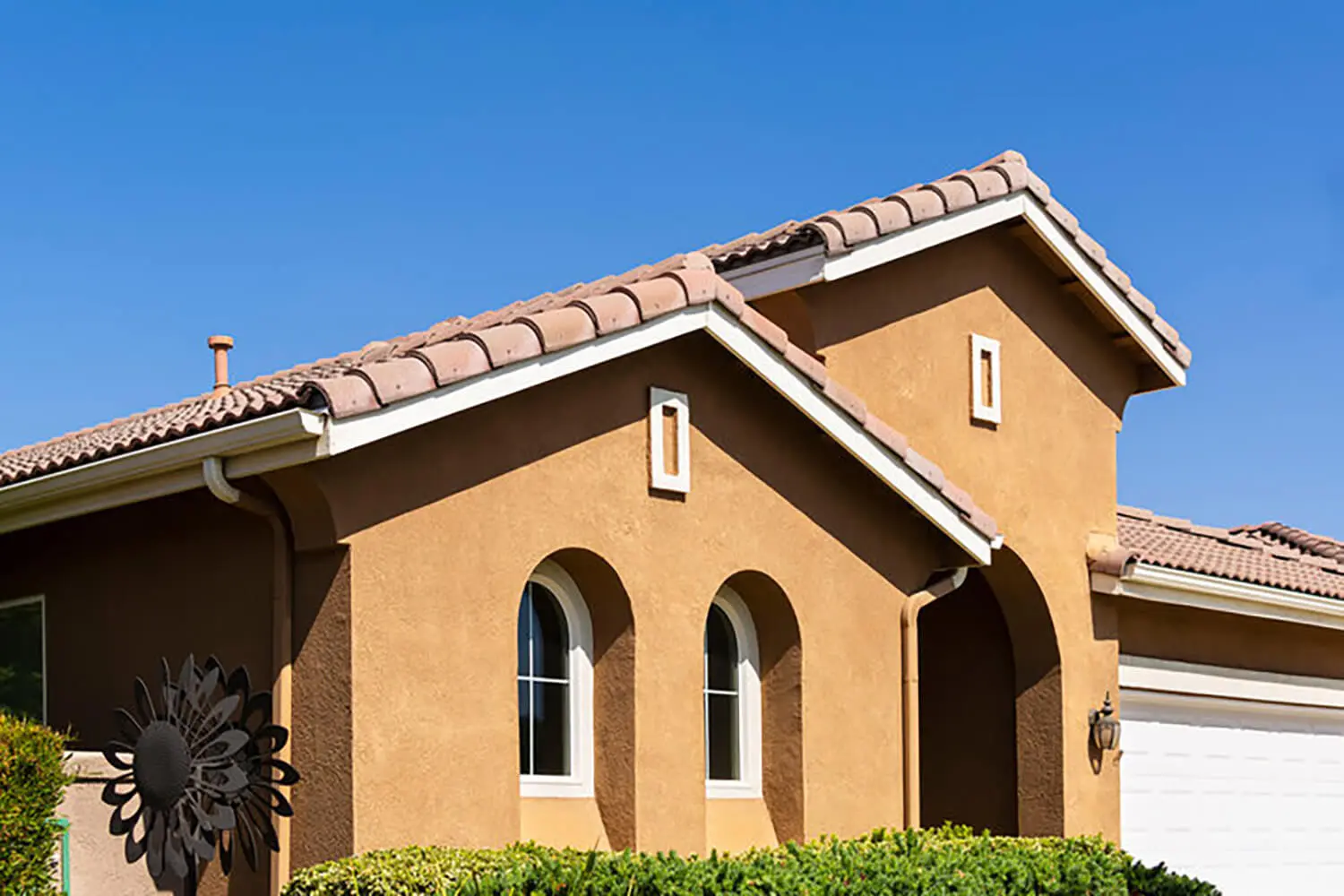
If your stucco exterior is starting to show its age, you are probably wondering how much time you have before a repaint becomes unavoidable. It is a fair question, and the answer is more specific to your location than most general painting guides suggest.
Knowing how often should you repaint a stucco exterior in a place like Palos Verdes Estates means understanding more than a standard repaint schedule. The coastal environment here introduces conditions that work on painted surfaces year-round. Salt air, marine layer moisture, UV exposure, and wind all factor into how long a coat of paint actually lasts on stucco — and they compress the timeline in ways that inland homeowners simply do not deal with.
This guide covers how long stucco paint typically holds up, what coastal conditions do to that baseline, how to read your surface for early warning signs, and how the history of prior coatings shapes what the next repaint involves.
How Long Stucco Exterior Paint Typically Lasts
In a typical climate with proper preparation, a painted stucco exterior can last roughly 5 to 10 years before a full repaint is needed. That is a wide range, and it reflects how much surface prep, product selection, and environmental conditions actually influence the outcome.
Stucco behaves differently than wood siding or fiber cement. It is a porous surface that absorbs and releases moisture as temperatures and humidity change. That ongoing movement puts consistent stress on the paint film sitting on top of it, which is one reason stucco repaints on a different schedule than smoother, less porous materials.
The type of coating applied also affects the range. Elastomeric and masonry coatings formulated specifically for stucco are designed to flex with the surface and resist moisture penetration — they tend to last longer than standard exterior paint applied to stucco. Standard exterior paint on stucco typically falls toward the shorter end of the range.
That 5 to 10 year baseline applies to conditions that are relatively favorable. In a coastal environment like Palos Verdes Estates, that window changes.
Why Coastal Conditions in Palos Verdes Estates Change the Timeline
Palos Verdes Estates sits on a coastal bluff with direct exposure to marine air. The combination of salt air, marine layer moisture, UV radiation, and wind creates sustained stress on exterior paint throughout the year — not just during specific seasons. Each factor works on the surface in a different way, and together they consistently push stucco repainting schedules shorter than the general baseline.
Salt Air and Marine Layer Moisture
Salt particles carried in marine air are both corrosive and abrasive. They settle on painted stucco surfaces and gradually work into the paint film, degrading adhesion and accelerating chalking and fading over time. This is not a dramatic process — it happens steadily and quietly, and its effects accumulate faster than most homeowners expect.
The marine layer that sits over coastal Palos Verdes most mornings adds a second layer of stress. Moisture stays on the surface longer than it would in an inland climate, keeping the paint film and the stucco beneath in a sustained wet-dry cycle. That cycle pressures the paint’s ability to maintain a seal over the substrate.
These two factors together — salt particle degradation and prolonged moisture exposure — are the primary reasons stucco in coastal locations repaints earlier than the general range suggests.
Sun Exposure and UV Breakdown
When the marine layer lifts, Palos Verdes Estates receives strong direct sun. The pattern of cool, moist mornings followed by intense afternoon sun creates repeated thermal cycles that cause the stucco and its paint coating to expand and contract daily.
UV radiation breaks down the paint’s binder over time. A binder that has degraded loses flexibility, and a less flexible paint film is more vulnerable to cracking as the stucco surface moves. Chalking, fading, and eventual cracking are all downstream effects of UV breakdown.
South and west-facing walls on the same home typically show this wear earlier than north and east-facing walls. If one side of your home looks noticeably more faded or chalky, UV exposure is usually the reason.
Wind and Airborne Debris
Coastal bluff locations experience regular onshore wind, and Palos Verdes Estates is no exception. Wind carries salt, fine particulates, and debris that wear down the paint surface through abrasion over time.
This factor gets less attention than salt air and UV, but it compounds both. Wind-driven abrasion is most visible on:
- Exposed corners and edges
- Areas without natural windbreak protection from trees or structures
- Any surface that faces the prevailing onshore direction
The combined effect of salt, moisture, UV, and wind is what makes coastal stucco repainting a different calculation than it would be twenty miles inland.
How to Read Your Stucco Surface for Early Warning Signs
Understanding what accelerates wear is useful context, but the surface itself is the most reliable indicator of where your home actually stands. Catching early warning signs means the repaint can happen before the stucco beneath is exposed or damaged, which keeps the project simpler and less expensive than waiting until active failure sets in.
Here is what to look for, moving from early wear to more serious failure:
- Chalking — A white powdery residue that transfers to your hand when you run it across the surface. Light chalking is normal aging. Heavy chalking means the paint binder has broken down significantly and the surface is no longer providing meaningful protection.
- Fading and color shift — Paint losing depth and evenness across large sections, particularly on sun-exposed walls. Cosmetic at first, but indicates UV degradation of the film.
- Hairline cracking — Fine cracks in the paint surface that follow the texture of the stucco. Early-stage cracking means the paint has lost flexibility. Left unaddressed, these cracks widen and allow moisture into the stucco substrate.
- Peeling or flaking — Paint lifting from the surface in areas, particularly around edges, seams, or patched sections. Indicates adhesion failure. At this stage the surface needs attention before moisture penetration causes larger problems.
- Efflorescence — White mineral deposits appearing on the surface, often near cracks or low points. Indicates moisture is moving through the stucco and pushing salts outward. A sign the paint is no longer sealing the substrate effectively.
The highest-stress areas to check first are south and west-facing walls, exposed corners, and anywhere the prior paint job showed wear sooner than the rest of the home.
How Prior Coatings Affect When You Need to Repaint
The surface condition tells you where the home is now. What has been applied in previous repaints affects what the next one involves and how long it will realistically last.
Stucco that has been repainted multiple times carries accumulated paint layers, and the stability of those layers matters. If earlier coats are failing underneath the current surface, new paint applied over them inherits that instability. The new coat bonds to paint that is already coming loose, which leads to earlier failure and a shorter repaint cycle.
A few specific situations that affect timing and scope:
- Elastomeric coatings from prior repaints — Elastomeric is a thick, flexible coating formulated for stucco and masonry. If it is still in good condition and properly bonded, it can support the next coat and extend its life. If it has failed or was applied incorrectly, it complicates prep significantly and needs to be addressed before new paint goes on.
- Buildup of multiple paint layers — Excessive buildup can affect how new paint adheres and how consistently the finish looks once it cures. It can also obscure the texture of the original stucco, which affects the final appearance.
- Texture inconsistencies from prior work — Some coatings build texture in ways that do not match the original stucco profile. This creates visible variation in the finished surface if not addressed during prep.
Prior coating history is one of the reasons a professional assessment matters before repainting. What is underneath the current coat determines how extensive the prep work will be and directly affects how long the next repaint holds up.
What a Realistic Repainting Window Looks Like for Palos Verdes Estates Homes
Putting it together: the general 5 to 10 year baseline for stucco contracts in a coastal environment like Palos Verdes Estates. A well-prepared stucco exterior here more realistically falls in the 5 to 7 year range. Homes on exposed bluff-facing walls, or with prior coating complications, tend toward the shorter end of that window.
That range is a planning tool, not a fixed schedule. Two homes on the same street can be in very different positions depending on:
- Which direction the most exposed walls face
- How the previous repaints were prepared and what products were used
- Whether the current coat is showing early wear or active failure
- How much prior coating buildup exists on the surface
A home that was properly prepped and coated and is showing only light chalking at year 6 is in a different position than one showing peeling and hairline cracks at year 4. The surface condition and the coating history together determine where a specific home actually stands.
The most useful next step is not trying to calculate your timeline from a general range. It is having the surface assessed by a professional who can read the actual condition and coastal exposure of your specific home. Sucro Painting offers exterior assessments for Palos Verdes Estates homeowners and can tell you concretely where your stucco stands and what a realistic repaint timeline looks like for your property — so you can plan ahead instead of reacting when the surface has already started to fail.