

Cabinet Refinishing vs Replacement: How to Decide What’s Right for Your Home
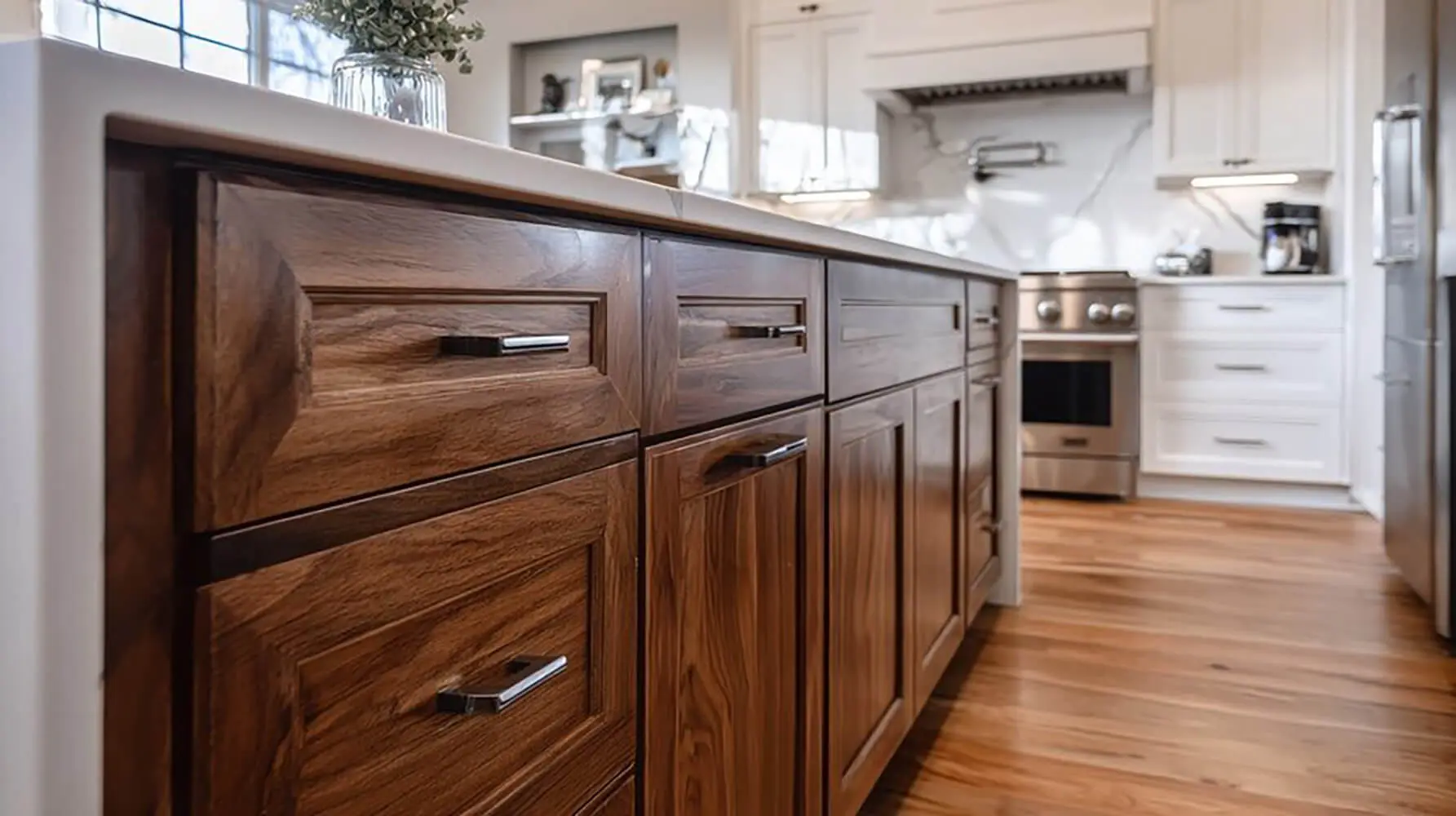
If you want your kitchen to look better, cabinets are usually the first thing you notice. But once you start looking into options, the decision can get overwhelming fast. Do you refinish what you have and give it a clean, updated look? Or do you replace everything and start from scratch?
That’s why the cabinet refinishing vs replacement question comes up so often. Both options can transform a kitchen, but they come with very different costs, timelines, and levels of disruption.
Most homeowners aren’t just trying to get “new cabinets.” They’re trying to make the best decision for their home, budget, and long-term plans. Some want a fast visual upgrade without tearing the kitchen apart. Others want a new layout, more storage, or a full remodel feel.
This comparison breaks down what refinishing actually changes, what replacement really involves, and why the right choice depends on more than just price. By the end, you’ll have a simple way to decide what makes the most sense for your space without overthinking every detail.
Start With This Question: Do You Like Your Cabinet Layout?
Before you compare finishes, costs, or timelines, start with the one question that usually decides everything.
Do you actually like your current cabinet layout?
Layout is the first decision point because refinishing keeps your cabinet boxes and layout the same. You’re improving what’s already there. Replacement is usually chosen when the layout needs to change or the cabinetry needs to function differently.
Refinishing can’t solve layout problems like:
- Not enough storage for how you use the kitchen
- Awkward corner cabinets that waste space
- Cabinets that feel too small, shallow, or poorly placed
- A layout that makes the kitchen feel cramped or disconnected
If those issues are your main frustration, refinishing might not fix what’s bothering you most. You’ll end up with a prettier kitchen that still feels inconvenient.
But if your layout works and you don’t need to reconfigure anything, refinishing becomes a strong option. It’s typically faster, less disruptive, and gives you a major visual upgrade without turning the kitchen into a full construction zone.
In most homes, the deciding factor isn’t “What looks nicer?” It’s whether your kitchen works the way you want it to.
What Cabinet Refinishing Actually Changes (And What It Doesn’t)
Cabinet refinishing can make a kitchen feel completely different, but it helps to understand what’s actually being changed.
In most cases, refinishing focuses on the visible surfaces you interact with every day. The cabinet boxes stay in place, and the layout stays the same, but the look and finish get a full refresh.
A typical refinishing project may include:
- Cleaning and deglossing the existing surfaces
- Sanding or scuff prep to help coatings bond properly
- Priming for adhesion and consistent coverage
- Painting or staining doors and drawer fronts
- Applying durable cabinet-grade coatings designed for wear
- Optional new hardware for a more updated style
Refinishing can be a big visual change without a full renovation, and the returns on cabinet painting often make it one of the smartest kitchen upgrades a homeowner can make.
At the same time, refinishing isn’t a fix for structural issues.
It usually won’t solve problems like:
- Broken or failing cabinet boxes
- Warped doors that don’t sit correctly
- Cabinets that are coming loose or sagging
- Poor layout or storage limitations
Refinishing tends to be the best fit for homeowners who like their kitchen layout and want a major upgrade without the disruption of a full remodel. It can give you a clean, updated look while keeping the project simpler and more manageable.
What Cabinet Replacement Really Involves
Cabinet replacement sounds straightforward until you start looking at what it actually includes.
You’re not just swapping doors. You’re removing the existing cabinetry and installing a new system, which often affects other parts of the kitchen along the way.
A replacement project usually involves:
- Demolition and removal of existing cabinets
- Disposal and haul-away
- New cabinet delivery and installation
- Adjustments to fit and level everything correctly
And depending on the kitchen, it can also trigger additional updates, such as:
- Countertop replacement or reinstallation
- Backsplash changes
- Plumbing adjustments for sinks or dishwashers
- Electrical updates for outlets, lighting, or appliance placement
- Drywall repair or patching after removal
This is why replacement can turn into a bigger project fast. Once cabinets come out, it’s common to uncover areas that need repairs, updates, or finishing work that wasn’t part of the original plan.
Replacement is usually the better fit for homeowners who want a new layout, different cabinet sizes, upgraded storage options, or a full remodel feel. It gives you the chance to change how the kitchen functions, not just how it looks.
It can be the right move, but it’s important to expect a bigger timeline, more disruption, and more decisions compared to refinishing.
How the Cost Usually Compares (And Why the Gap Can Be Big)
For most homeowners, cost is the reason this decision feels stressful. You want the kitchen to look better, but you also don’t want to overspend if you don’t have to.
In the cabinet refinishing vs replacement comparison, refinishing is usually the more budget-friendly option because you’re keeping the cabinet boxes and the existing structure. You’re not paying for demolition, disposal, and full installation. You’re paying for prep and finishing work that upgrades what’s already there.
Replacement costs tend to add up quickly because the project involves more labor, more materials, and more steps.
Common cost drivers for replacement include:
- Demo and removal
- New cabinetry materials and design choices
- Installation labor and hardware
- Disposal and haul-away
- Extra updates that often follow cabinet changes
The “domino effect” is real. Once cabinets change, other pieces often need to change too, even if you didn’t plan on it. Countertops may not fit. Backsplashes may need to be removed. Plumbing and electrical may need adjustments.
Both options are also affected by a few shared factors:
- Kitchen size and number of cabinets
- Door style and the condition of the existing doors
- Finish choice, such as paint vs stain
- Hardware upgrades and accessories
The best way to think about the cost gap is this: refinishing is an upgrade to what you have. Replacement is a full rebuild, and the price usually reflects that.
Timeline and Disruption Feel Very Different Between These Two Options
Even if refinishing and replacement can both deliver a beautiful kitchen, they feel completely different while they’re happening.
Refinishing is usually the lower-disruption option because there’s no demolition and the cabinet boxes stay in place. The project still takes planning and prep, but it’s typically more contained.
Day to day, refinishing often means:
- A shorter overall timeline
- Less noise and less construction mess
- Some kitchen downtime, but often manageable with light planning
- Work focused on doors, drawers, and cabinet surfaces
Replacement is a different experience. Once cabinets are removed, the kitchen can’t function normally. There are more moving parts, more steps, and often more trades involved.
Day to day, replacement often feels like:
- A longer project timeline with more phases
- More decisions and coordination
- More “in-between” stages where the kitchen isn’t usable
- Higher disruption from demolition, installation, and follow-up work
This matters because the best option isn’t just what you can afford. It’s what you can live through.
If you’re working from home, managing kids, or relying on the kitchen daily, the disruption factor can be just as important as the final look. Many homeowners choose refinishing not because they can’t replace, but because they want a major upgrade without turning the kitchen into a full remodel project.
The Finish Quality Depends on the Process, Not the Option
It’s easy to assume replacement automatically means better results. But in reality, the finish quality depends more on the workmanship than the option you choose.
Refinishing can look amazing when the process is done correctly. The difference is in the prep and the products.
A refinishing job lasts when it includes:
- Proper cleaning and surface prep so coatings bond
- A bonding primer when needed
- Durable cabinet-grade coatings designed for wear
- Careful application that avoids drips, brush marks, or rough texture
Shortcuts tend to show up fast on cabinets because they get touched constantly. If prep is rushed or the wrong products are used, you may see chipping, peeling, or uneven finish much sooner than expected.
Replacement can also look great, but it’s not automatically high-end. If the cabinet materials are low quality, the doors and drawers feel flimsy, or the installation isn’t precise, the kitchen can still feel “cheap” even with brand new cabinets.
Replacement looks and feels better when it includes:
- Strong door and drawer construction
- Quality hardware that opens smoothly and holds up
- Clean, level installation with tight seams and consistent spacing
The simple truth is this: refinishing can look brand new, but shortcuts show quickly. Replacement can still feel underwhelming if the materials or installation quality aren’t there. Either way, the process is what determines how the kitchen looks and functions in the long run.
When Refinishing Makes the Most Sense
Refinishing is usually the smart choice when you like your kitchen’s structure, but you want it to look cleaner, more modern, or more intentional.
It’s a strong option for homeowners who want a major visual upgrade without the cost and disruption of a full remodel.
Refinishing tends to make the most sense when:
- Your cabinet boxes are solid and in good condition
- The doors and drawers still function well
- You like the current layout and storage setup
- You want the biggest visual change for a lower investment
- You want a faster turnaround with less disruption
- You’re not trying to reconfigure the kitchen
This is especially common when the cabinets feel outdated, but not damaged. You might be dealing with an older stain color, worn finish, or hardware that makes the kitchen feel stuck in a different era.
Refinishing can refresh the entire look without changing the footprint of the kitchen. For many homeowners, it’s the best balance of impact and practicality, especially when the goal is improvement without turning the project into a full renovation.
When Replacement Is the Better Move
Replacement is usually the better choice when the cabinets aren’t just outdated, but functionally or structurally holding the kitchen back.
If the layout doesn’t work for how you live, or the cabinets are failing, refinishing may only be a temporary cosmetic improvement. In those cases, replacement becomes the more practical long-term option.
Replacement often makes the most sense when:
- The layout doesn’t work and you want to change how the kitchen functions
- Cabinets are damaged, sagging, warped, or poorly built
- Doors don’t sit properly or the boxes feel weak and unstable
- You want deeper drawers, better storage solutions, or soft-close upgrades
- You’re already planning a larger kitchen remodel
- You want the kitchen to feel completely new, not just refreshed
Replacement also gives you more flexibility. You can change cabinet sizes, add features that improve storage, and create a layout that fits your day-to-day needs better.
It’s a bigger project, but it’s often worth the investment when the goal isn’t just a new look. It’s a kitchen that works better and feels rebuilt from the ground up.
A Simple Way to Decide Without Getting Stuck
If you’re stuck between cabinet refinishing vs replacement, the decision usually comes down to two things: whether your layout works and whether your cabinets are structurally solid.
When the cabinets are in good shape and you like the current setup, refinishing is often the smartest way to get a major kitchen upgrade without the cost and disruption of a full remodel. You keep the cabinet boxes, avoid demolition, and still get a clean, updated look.
When the cabinets are failing, warped, or the layout doesn’t fit how you live, replacement is often the better long-term move. It gives you the chance to rebuild the kitchen’s functionality, storage, and flow, not just the appearance.
The most important takeaway is that either option can look great. The difference is choosing the one that matches your home’s condition, your timeline, and what you want the kitchen to do for you.
If you’d like help deciding on cabinet refinishing, Sucro Painting can evaluate your cabinets and give you an honest assessment of whether refinishing makes sense for your space. We provide detailed quotes, clear timelines, and the kind of prep work that makes a refinished kitchen hold up for years. Reach out to us today to schedule your free estimate.