

Choosing a Paint Finish: Matte, Eggshell, Satin, or Gloss
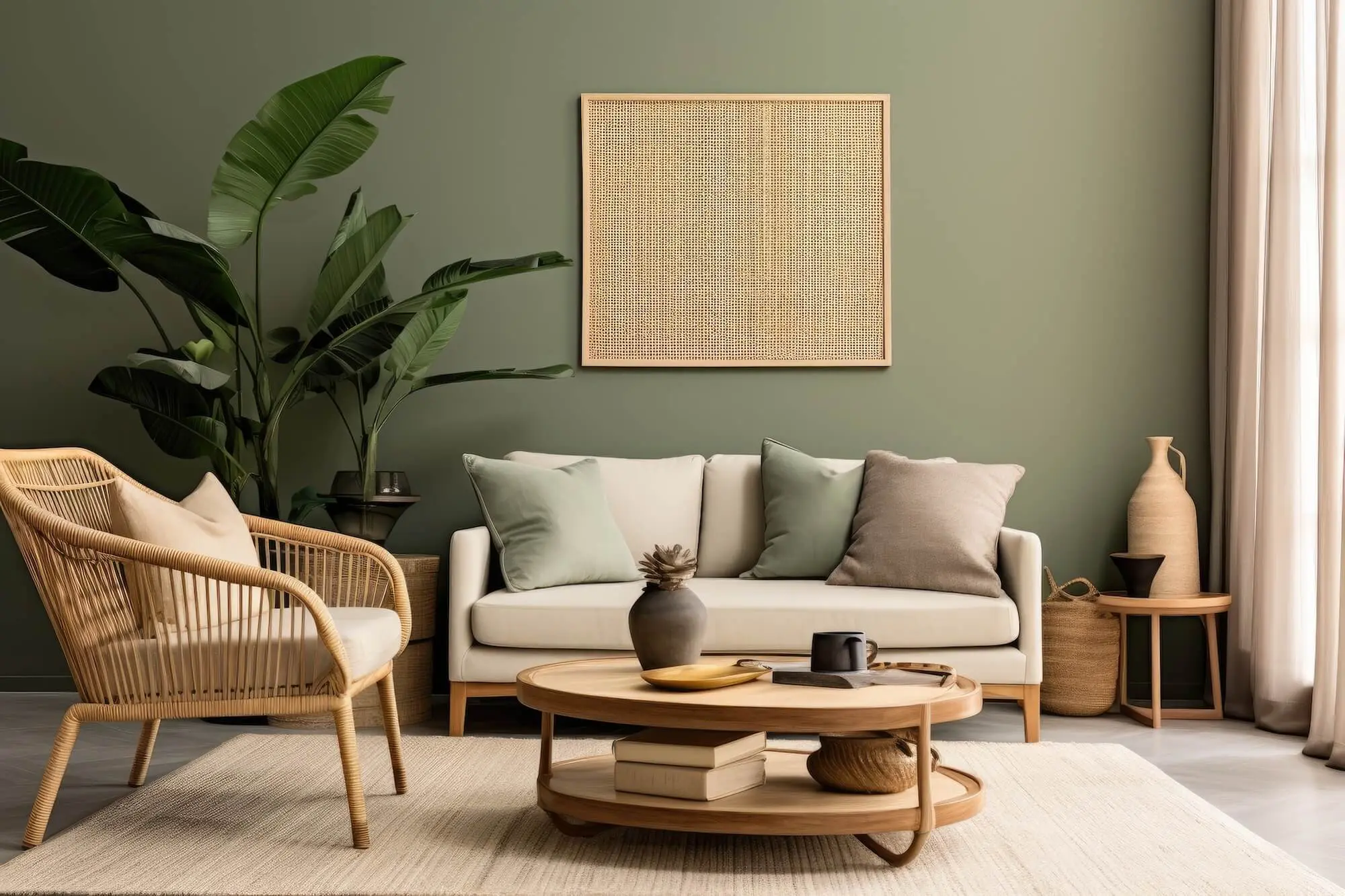
Choosing a paint color is exciting—but choosing the paint finish is what determines how the walls will actually look and live day-to-day. Finish affects everything: how much light bounces around the room, how visible wall imperfections will be, how easy it is to wipe off fingerprints, and whether touch-ups will blend or stand out. If you’ve ever repainted a room and thought, “Why does this look shinier than I expected?” or “Why can I see every patch and roller mark?” the finish choice is usually the reason.
Below is a practical guide to help you choose the right finish for your home—without getting overwhelmed by paint aisle jargon.
What a Paint Finish Actually Means
Paint finish refers to the sheen level—how reflective the dried paint surface is. The flatter the finish, the more it hides imperfections and the softer it looks. The shinier the finish, the more durable it tends to be and the easier it is to clean, but it also shows more wall flaws.
Most interior paints fall into four common categories:
- Matte (or Flat)
- Eggshell
- Satin
- Gloss (often Semi-Gloss or High-Gloss)
Matte Paint Finish: Best for a Soft, Modern Look
Matte finishes have very low sheen. They look smooth and velvety and tend to hide bumps, patchwork, and minor drywall imperfections better than any other option.
When to Choose Matte
Matte is a great fit for:
- Bedrooms
- Dining rooms
- Formal living rooms
- Low-traffic spaces
- Older walls with texture inconsistencies
Pros of Matte
- Hides wall flaws well
- Creates a high-end, “designer” look
- Minimizes glare from sunlight and overhead lights
Cons of Matte
- Less scrub-resistant than shinier finishes
- Can burnish (get shiny spots) if heavily rubbed
- Touch-ups can sometimes flash if the wall has wear
Matte Pro Tip
If you love the look of matte but worry about durability, ask for washable matte products (many premium paint lines offer them). They keep the soft look while improving cleanability.
Eggshell Paint Finish: The Popular Middle Ground
Eggshell has a subtle, low sheen—slightly more reflective than matte but still soft-looking. It’s one of the most popular choices for interior walls because it balances appearance and durability well.
When to Choose Eggshell
Eggshell is ideal for:
- Living rooms
- Hallways (light to moderate traffic)
- Home offices
- Guest rooms
- Open-concept main areas
Pros of Eggshell
- More washable than matte
- Still hides many wall imperfections
- Good “all-purpose” wall finish
Cons of Eggshell
- Can show patching in strong side light if prep is inconsistent
- Touch-ups may be noticeable if the wall has aged or been cleaned often
Eggshell Pro Tip
If your home gets lots of natural light (common in coastal and South Bay areas), eggshell is often a safer choice than satin for walls because it’s less likely to highlight wall texture.
Satin Paint Finish: Durable and Easy to Clean
Satin has a noticeable sheen. It reflects more light, is more moisture-resistant, and is easier to wipe clean. It’s a strong choice for active households—but it’s also the finish most likely to reveal wall flaws if prep isn’t done right.
When to Choose Satin
Satin works well for:
- Kitchens (walls)
- Bathrooms (walls)
- Kids’ rooms
- Laundry rooms
- High-traffic hallways and stairways
Pros of Satin
- Easier to clean than matte/eggshell
- Stands up better to moisture and everyday wear
- Looks crisp and fresh in practical spaces
Cons of Satin
- Shows drywall imperfections, patchwork, and roller texture more
- Can make walls look “shiny” in strong light
- Touch-ups can be difficult to blend
Satin Pro Tip
If you’re using satin on walls, prep matters a lot. Proper patching, sanding, and priming reduce the risk of “flashing” where repairs look different than surrounding paint.
Gloss Paint Finish: Best for Trim, Doors, and Cabinets
Gloss finishes are high-sheen and highly durable. Most people don’t use gloss on walls (it can feel too shiny), but it’s excellent for surfaces that get touched constantly—trim, doors, and cabinetry.
Understanding Gloss Levels
“Gloss” usually shows up as:
- Semi-gloss (common for trim and doors)
- High-gloss (very shiny, more dramatic)
When to Choose Gloss
Gloss is best for:
- Baseboards and crown molding
- Door frames and window trim
- Interior doors
- Cabinets
- Built-ins
- Handrails
Pros of Gloss
- Very durable and scrubbable
- Resists moisture and stains well
- Creates a crisp, clean contrast against wall paint
Cons of Gloss
- Shows every imperfection (brush marks, dents, uneven sanding)
- Requires careful prep and application for a smooth finish
- Can feel too reflective if used on large wall surfaces
Gloss Pro Tip
If you want a modern look, consider pairing matte/eggshell walls with semi-gloss trim. That contrast makes the room feel clean, bright, and professionally finished.
How to Choose the Right Finish by Room
Bedrooms
- Best: Matte or Eggshell
- Why: Softer look, hides imperfections, lower traffic.
Living Rooms and Open Spaces
- Best: Eggshell
- Why: Balanced appearance and durability, less glare than satin.
Hallways and Stairways
- Best: Eggshell or Satin
- Why: More wipeable; choose satin if kids/pets and heavy traffic.
Kitchens
- Best: Satin (walls), Semi-gloss (trim), Cabinet-grade finishes (cabinets)
- Why: Easier cleaning and better moisture resistance.
Bathrooms
- Best: Satin (walls) or specialized bathroom paint; Semi-gloss (trim)
- Why: Moisture control and wipeability.
Ceilings
- Best: Flat ceiling paint
- Why: Reduces glare and hides ceiling imperfections.
Trim and Doors
- Best: Semi-gloss
- Why: Durable and cleanable without being overly reflective.
Matte vs Eggshell vs Satin: Quick Decision Guide
If you want the simplest possible approach:
Choose Matte if…
- You want a soft, high-end look
- The room is low-traffic
- Your walls have imperfections you want to hide
Choose Eggshell if…
- You want a safe, versatile finish
- The area is moderate traffic
- You want a soft look with better cleanability
Choose Satin if…
- The room gets moisture or heavy use
- You need better wipeability
- You’re okay with a bit more sheen (and you want strong prep)
Choose Gloss (Semi/High) if…
- It’s trim, doors, or cabinets
- You want durability and crisp detail
- You want a contrast against wall paint
Why Finish Choice Matters for Touch-Ups
Touch-ups are one of the biggest surprise issues homeowners run into. Higher sheen paints (especially satin and gloss) can make touch-up spots more visible because the sheen level changes depending on how paint is applied and how the wall has been cleaned over time.
How to Make Touch-Ups Less Visible
- Keep the original paint can (same product, same sheen)
- Save the label with the color formula
- Use the same application method (roller nap matters)
- Touch up larger sections when possible (corner to corner)
The Role of Lighting in Finish Selection
Finish looks different in different lighting:
- Bright daylight can make satin look glossier than expected
- Side lighting (windows, lamps) highlights wall texture and patching
- Warm bulbs can make colors and sheen look softer
- Cool LEDs can make sheen appear sharper and more reflective
If you’re unsure, test samples on multiple walls and view them at different times of day.
Final Takeaway: Pick the Finish That Fits Your Real Life
The best paint finish isn’t the “most popular”—it’s the one that fits:
- How the room is used
- The condition of the walls
- Your lighting
- Your cleaning expectations
If you want help choosing finishes that make sense for your home and lifestyle, a professional painter can guide you through options that avoid regret and deliver a polished result. Contact Sucro Painting Contractors for a free quote and color consultation.